
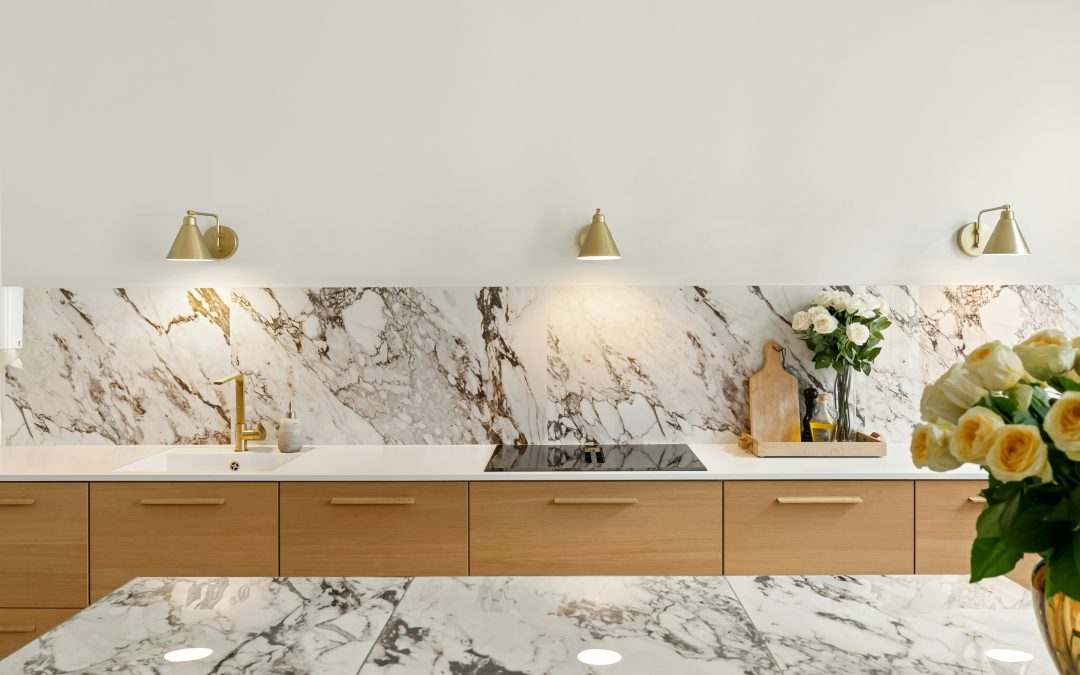
When designing or remodeling a kitchen or bathroom, the countertop you choose sets the tone for the entire space. It influences not just the look but also the functionality and maintenance of the room. Two of the most popular materials homeowners consider today are marble and porcelain. Both offer distinct advantages and aesthetics, but they differ in performance, durability, and cost.
If you’re torn between these options, this guide breaks down everything you need to know about marble vs porcelain countertops—from their beauty and strength to maintenance requirements and overall value.
The Appeal of Marble Countertops
Marble has been admired for centuries as a symbol of luxury and sophistication. Each slab is a unique natural creation, featuring graceful veining patterns and subtle color variations that make every countertop one of a kind.
Key Features of Marble:
- Natural stone: Formed from metamorphosed limestone, marble is 100% natural.
- Distinct veining: No two slabs are identical—each has its own veining and texture.
- Cool to the touch: Ideal for baking and rolling dough.
- Classic beauty: Instantly elevates any space with timeless appeal.
Popular varieties like Carrara, Calacatta, and Statuario offer different shades of white and gray with stunning veins that add depth and drama to kitchens or bathrooms.
However, marble’s natural elegance comes with certain vulnerabilities that require care and maintenance.
Pros of Marble Countertops:
- Aesthetic value that increases home appeal.
- Adds a touch of classic luxury.
- Naturally heat-resistant (though not heat-proof).
- Cool surface perfect for pastry and dough preparation.
Cons of Marble Countertops:
- Porous and prone to staining from wine, coffee, or acidic liquids.
- Can scratch or etch easily.
- Requires sealing at least once a year.
- Generally more expensive than man-made materials.
In short, marble is perfect for those who value beauty and are willing to give it a little extra care to maintain its charm.
The Rise of Porcelain Countertops
Porcelain, once primarily used for bathroom tiles, has evolved into one of the most advanced and versatile countertop materials available. Modern technology allows manufacturers to replicate the look of natural stone—like marble, granite, or concrete—without the same maintenance challenges.
Key Features of Porcelain:
- Man-made material: Created from refined clay and minerals, then fired at extremely high temperatures.
- Non-porous: Highly resistant to stains, scratches, and moisture.
- Wide variety of finishes: Comes in glossy, matte, or textured designs.
- Lightweight yet strong: Can be used for walls, floors, or countertops.
Porcelain slabs can mimic marble so convincingly that it’s often difficult to tell the difference. For busy households or commercial kitchens, porcelain’s durability and low maintenance make it a practical choice.
Pros of Porcelain Countertops:
- Resistant to stains, heat, and scratches.
- Non-porous surface doesn’t need sealing.
- Available in a huge range of designs and patterns.
- Easy to clean—just soap and water.
- UV-resistant, ideal for outdoor kitchens.
Cons of Porcelain Countertops:
- Can chip or crack on sharp edges if struck hard.
- Installation requires professional expertise due to its thin and brittle nature.
- Limited edge profile options compared to stone.
- May not have the same “depth” or natural warmth as real marble.
Porcelain offers durability and style, especially for homeowners seeking a low-maintenance, modern surface.
Marble vs Porcelain: Side-by-Side Comparison
| Feature | Marble Countertops | Porcelain Countertops |
|---|---|---|
| Material Type | Natural stone | Engineered ceramic |
| Aesthetic | Unique, organic veining | Can mimic marble or other materials |
| Durability | Softer and more porous | Extremely durable and non-porous |
| Maintenance | Requires sealing and gentle cleaning | Virtually maintenance-free |
| Heat Resistance | High, but can scorch under direct heat | Excellent; resistant to high temperatures |
| Scratch Resistance | Moderate; prone to etching | Very high; resists scratches easily |
| Stain Resistance | Low without sealing | Excellent; resists all common stains |
| Lifespan | Decades with care | Long-lasting and low maintenance |
| Cost (per sq. ft.) | $60–$150+ | $45–$100+ |
Both materials are durable, stylish, and available in various colors, but they serve different lifestyles and design preferences.
Maintenance and Care Differences
Marble Care:
Marble is porous, which means it can absorb liquids and become stained. To protect it, homeowners must apply a quality sealant every 6–12 months. Daily maintenance involves wiping spills immediately, using mild cleaners, and avoiding acids like vinegar or lemon juice.
Even with proper sealing, marble may still etch from acidic contact. Over time, though, many homeowners embrace these marks as part of marble’s natural patina—a reflection of age and character.
Porcelain Care:
Porcelain requires almost no maintenance. Its non-porous surface repels liquids, and it doesn’t need sealing. Cleaning is as simple as using warm water, mild soap, and a soft cloth. It’s resistant to household chemicals, so you can clean it more aggressively without damage.
For homeowners who prioritize convenience and durability, porcelain clearly wins in the maintenance category.
Design and Style Options
Both marble and porcelain offer stunning design possibilities, but they differ in versatility.
Marble:
Marble’s natural beauty can’t be replicated perfectly—it’s an art piece created by nature. It’s best suited for classic, elegant interiors and pairs beautifully with brass, wood, and neutral palettes. However, color options are limited compared to man-made materials.
Porcelain:
Porcelain can mimic nearly any natural material—from marble and granite to wood and concrete—thanks to digital printing technology. You can find porcelain slabs in high-gloss, matte, or textured finishes that match both modern and traditional interiors. Its versatility makes it a top choice for contemporary homes.
Which Countertop Is Better for You?
Your choice between marble vs porcelain countertops depends on lifestyle, budget, and design goals.
Choose marble if:
- You value natural beauty and authenticity.
- You don’t mind occasional upkeep and resealing.
- You want a timeless, high-end look for your home.
Choose porcelain if:
- You prefer a low-maintenance, highly durable surface.
- You want a variety of color and design options.
- You’re working with a tighter budget or a busy household.
In essence, marble appeals to the romantic and aesthetic homeowner, while porcelain caters to the practical and modern one.
Final Thoughts
Both marble and porcelain make beautiful, functional countertops, each with its own set of advantages. Marble delivers unmatched natural elegance and timeless charm, while porcelain provides durability, easy maintenance, and design flexibility.
When comparing marble vs porcelain countertops, it comes down to what matters most to you—natural authenticity or effortless performance. If you want a countertop that tells a story and grows more character with age, marble is the way to go. But if you’d rather enjoy beauty without the worry, porcelain offers the perfect balance of style, strength, and simplicity.