
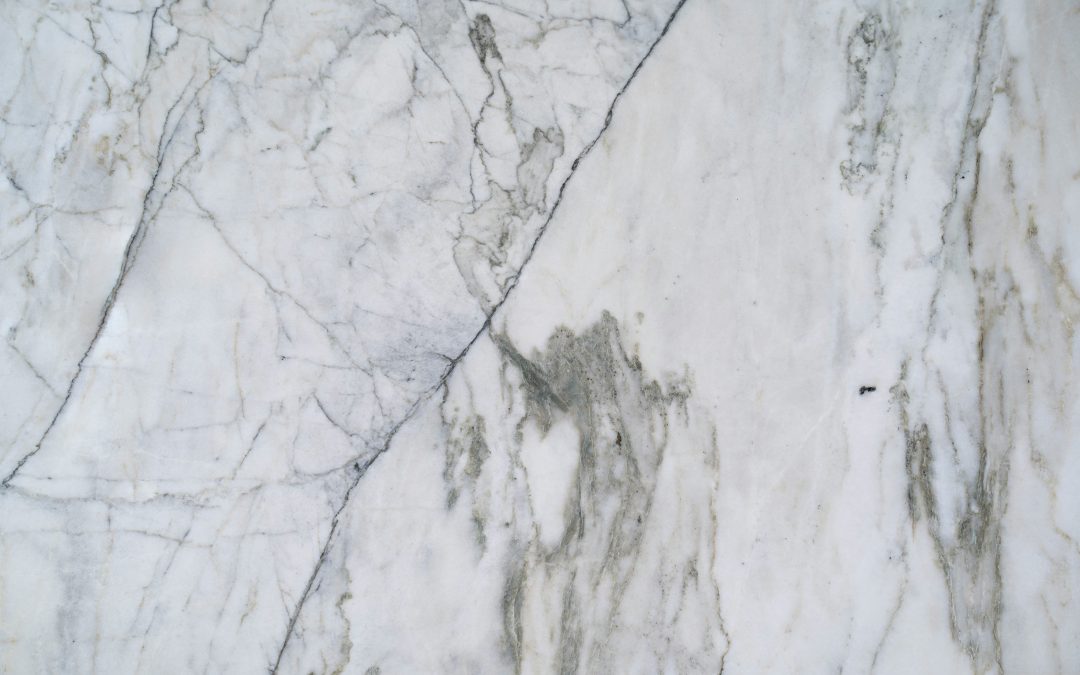
When designing or remodeling a kitchen, choosing the right countertop material can be one of the toughest decisions. Homeowners often find themselves comparing marble countertops vs quartzite, since both materials are elegant, durable, and naturally beautiful. Although they may look similar at first glance, they differ in origin, composition, maintenance, and long-term performance.
This 800-word guide will help you understand the key differences between marble and quartzite so you can make an informed decision for your home.
What Is Marble?
Marble is a metamorphic rock formed when limestone is subjected to intense heat and pressure deep within the earth. Its distinctive veining and smooth, cool surface make it one of the most luxurious and timeless countertop materials available.
Marble’s beauty has been admired for centuries — from ancient sculptures to grand architecture — and it continues to be a popular choice in modern kitchens and bathrooms.
Key features of marble:
- Natural, unique veining patterns
- Softer and more porous than quartzite
- Cool surface ideal for baking and pastry work
- Available in classic colors like white, gray, cream, and green
What Is Quartzite?
Quartzite is also a metamorphic rock, but it begins as sandstone. Over time, under intense heat and pressure, the quartz particles fuse together to form an incredibly hard and durable material.
Quartzite is often mistaken for marble because of its similar appearance. However, it’s denser and more resistant to scratching and etching, making it a more practical choice for busy kitchens.
Key features of quartzite:
- Extremely hard and durable (harder than granite)
- Resistant to heat, scratches, and UV rays
- Comes in various natural shades of white, gray, and beige, often with marble-like veining
- Requires sealing to prevent staining but needs less maintenance than marble
Appearance: Subtle vs Striking Beauty
Both materials are stunning, but they differ in their visual appeal.
Marble:
Marble’s signature look comes from its soft, flowing veins that run through a lighter background. Each slab is unique, creating a one-of-a-kind work of art on your countertop. White marble, such as Carrara or Calacatta, gives kitchens a bright, classic, and luxurious feel.
Quartzite:
Quartzite mimics the look of marble but tends to have a more crystalline and sparkly texture. The veining is usually more defined, and the colors are slightly warmer or more earthy. Some quartzite varieties even feature subtle hints of pink, gold, or blue, adding character to modern designs.
If you love the look of marble but want something more resilient, quartzite offers the best of both worlds.
Durability and Strength
When comparing marble countertops vs quartzite, durability is often the deciding factor.
Marble:
While marble is strong, it’s also relatively soft and porous. It can scratch, chip, or etch easily when exposed to acids like lemon juice or vinegar. Even water can leave marks if spills aren’t wiped quickly. Over time, marble develops a natural patina that many homeowners find charming, but it’s not ideal for those who want a flawless finish.
Quartzite:
Quartzite, on the other hand, is one of the hardest natural stones available — even harder than granite. It resists scratches, chips, and heat damage. It’s ideal for high-traffic kitchens where spills and heavy use are common. However, sealing it once or twice a year is still recommended to prevent staining.
If longevity and practicality are priorities, quartzite wins hands down in the durability category.
Maintenance and Care
Maintenance is another major difference between the two materials.
Marble Maintenance Tips:
- Seal it regularly to prevent stains (every 6–12 months)
- Wipe spills immediately to avoid etching
- Avoid acidic cleaners or ingredients that can dull the surface
- Use cutting boards and trivets to protect the finish
Quartzite Maintenance Tips:
- Seal once a year or less, depending on usage
- Clean with mild soap and water
- Highly resistant to etching and scratching
- Easy to maintain for homeowners with busy lifestyles
Marble requires more attention and care to preserve its beauty, while quartzite offers low-maintenance luxury without constant worry.
Cost Comparison
The price of both materials can vary depending on color, rarity, and supplier.
- Marble: $60–$150 per square foot (installed)
- Quartzite: $70–$200 per square foot (installed)
While quartzite may sometimes cost slightly more than marble, it offers better long-term value due to its superior strength and minimal upkeep. Marble, however, can be worth the investment for those who value its unmatched elegance and don’t mind regular maintenance.
Heat and Stain Resistance
Both marble and quartzite can handle heat, but quartzite performs better in everyday use.
- Marble: While heat-resistant, marble can discolor or crack under sudden temperature changes. It also stains easily if not properly sealed.
- Quartzite: Naturally heat-resistant and less porous, quartzite withstands hot pots and pans better. With proper sealing, it also resists wine, oil, and coffee stains.
If your kitchen is high-use or family-centered, quartzite is the more forgiving material.
Style and Design Flexibility
Marble has long been associated with classic and elegant interiors, often paired with white cabinets and gold hardware. It suits traditional, French-country, or transitional kitchen designs.
Quartzite, with its durability and diverse patterns, fits both modern and traditional spaces. You can find varieties that resemble marble or feature dramatic, bold veins for a contemporary touch. Whether you want subtle elegance or statement-making countertops, quartzite gives you more flexibility.
Sustainability and Longevity
Both marble and quartzite are natural materials, making them eco-friendly options. However, quartzite has the edge in longevity due to its durability. Properly maintained, a quartzite countertop can last a lifetime with minimal need for repair or replacement.
The Verdict: Which One Should You Choose?
When comparing marble countertops vs quartzite, the right choice depends on your lifestyle, budget, and design goals.
Choose marble if you:
- Love timeless, classic elegance
- Don’t mind regular maintenance
- Want a unique patina that develops over time
- Prefer a softer, warmer look
Choose quartzite if you:
- Need a durable, low-maintenance surface
- Want the look of marble without its fragility
- Cook or entertain frequently
- Prefer a long-lasting investment for your home
Final Thoughts
Both marble and quartzite bring natural beauty and sophistication to your kitchen. Marble offers romantic charm and classic appeal, while quartzite provides durability and resilience without sacrificing style.
If you’re looking for luxury that lasts with less upkeep, quartzite may be your best bet. But if your heart leans toward timeless elegance and you appreciate the character of natural aging, marble remains unmatched in its beauty.