
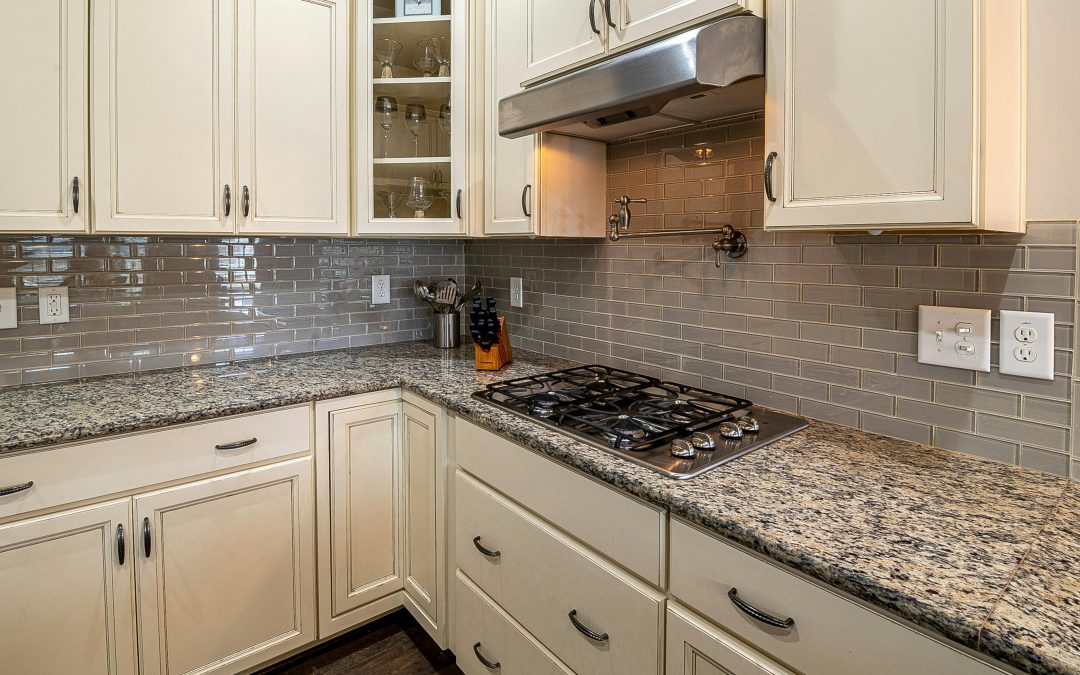
Granite backsplashes can give your kitchen a sleek, polished look but when it’s time for a style upgrade or a countertop replacement, you might be wondering: how to remove granite backsplash without causing damage?
Good news — with the right tools, a little patience, and a gentle approach, you can remove granite backsplashes successfully. Whether it’s a 4-inch strip or full-height slab, this guide will walk you through how to do it the right way.
What You’ll Need
Before you start, gather a few basic tools:
- Utility knife
- Putty knife or painter’s tool
- Pry bar
- Rubber mallet or hammer
- Painter’s tape
- Safety gloves and goggles
- Drop cloth or towel (to protect counters)
Optional: Oscillating multi-tool for tougher adhesive or grout
Step-by-Step: How to Remove Granite Backsplash
Start by protecting your countertops. Lay down a towel or drop cloth to protect your counters and catch any falling debris. If your backsplash sits on top of the countertop, you’ll also want to tape the seam where the two meet to help prevent chips.
Next, use your utility knife to score the caulk line where the granite meets the wall and countertop. This helps break the seal and prevents drywall tearing when you pull the backsplash off.
Now loosen the edges. Slide a putty knife or painter’s tool behind the edge of the granite. Gently tap the handle with a rubber mallet to begin separating it from the wall. Be patient — forcing it too quickly can crack the slab or tear the drywall. If you can, start at a corner or a spot where the adhesive is already a bit loose.
Once you’ve loosened a section, use a pry bar to slowly pull the backsplash away from the wall. Apply steady pressure and work in small sections. If it’s not budging, try cutting deeper into the adhesive with the knife or an oscillating tool. For full-height backsplashes, it helps to have a second person nearby to support the slab as it comes free.
After the backsplash is off, check the wall. You’ll likely see leftover adhesive or caulk. Use a scraper to remove as much as you can. Depending on the condition of the wall, you may need to sand or patch it before applying new paint or a new backsplash.
Things to Watch Out For
Cracking granite is always a possibility, especially if the piece is thin or firmly glued. Go slow and wear gloves and goggles for safety. Some drywall damage is common too, but with gentle prying and the right prep, it can be kept to a minimum. And remember — granite edges can be sharp when broken, so always handle removed pieces with care.
When to Call a Pro
If your granite backsplash is part of a full-slab installation or it’s glued down with very strong adhesive, you might want to call in a professional. Large or tall slabs can be heavy and difficult to manage safely without the right tools and experience.
Final Thoughts: Take It Slow and Steady
Now you know how to remove granite backsplash — and it’s easier than you might think with the right prep. Protect your counters, go slow, and treat both your wall and the granite with care.
With a bit of patience, you can update your space without unnecessary damage or stress. Whether you’re going modern, rustic, or minimalist, your new backsplash will have a clean canvas to shine.