
When it comes to designing a beautiful and functional kitchen, countertops play a starring role. They need to handle everything from food prep to hot cookware — and few materials perform as well as heat resistant granite countertops. Known for their natural beauty and toughness, granite countertops have become a top choice for homeowners who want both elegance and endurance in their kitchens.
If you’ve ever wondered why granite is so popular or how it handles heat, spills, and daily wear, this guide will walk you through everything you need to know about granite’s heat resistance, maintenance, and advantages.
What Makes Granite Countertops Heat Resistant
Granite is an igneous rock formed deep within the Earth under intense heat and pressure. Because of this natural formation process, it inherits remarkable strength and thermal resistance. Granite can withstand temperatures up to 1,200°F (650°C) — far hotter than anything you’d typically encounter in a home kitchen.
When you place a hot pan or baking dish on granite, the surface doesn’t scorch, burn, or blister. This makes it one of the most heat resistant countertop materials available, second only to materials like quartzite or soapstone in extreme heat tolerance.
However, while granite can tolerate high temperatures, experts still recommend using trivets or heat pads occasionally to prevent potential thermal shock. Sudden, concentrated heat exposure—such as placing a 400°F cast iron skillet directly on a cold countertop—can cause minor cracks over time due to rapid temperature change.
Why Granite Is a Great Choice for Kitchens
Aside from being heat resistant, granite countertops offer a combination of benefits that make them both practical and visually appealing.
1. Durability That Lasts Decades
Granite is one of the hardest natural materials available for countertops. On the Mohs hardness scale, it ranks between 6 and 7, meaning it’s highly scratch-resistant and can handle heavy daily use. You can cut, chop, or knead dough directly on the surface without worry (though using a cutting board will protect both your knives and the sealant).
2. Natural Beauty and Uniqueness
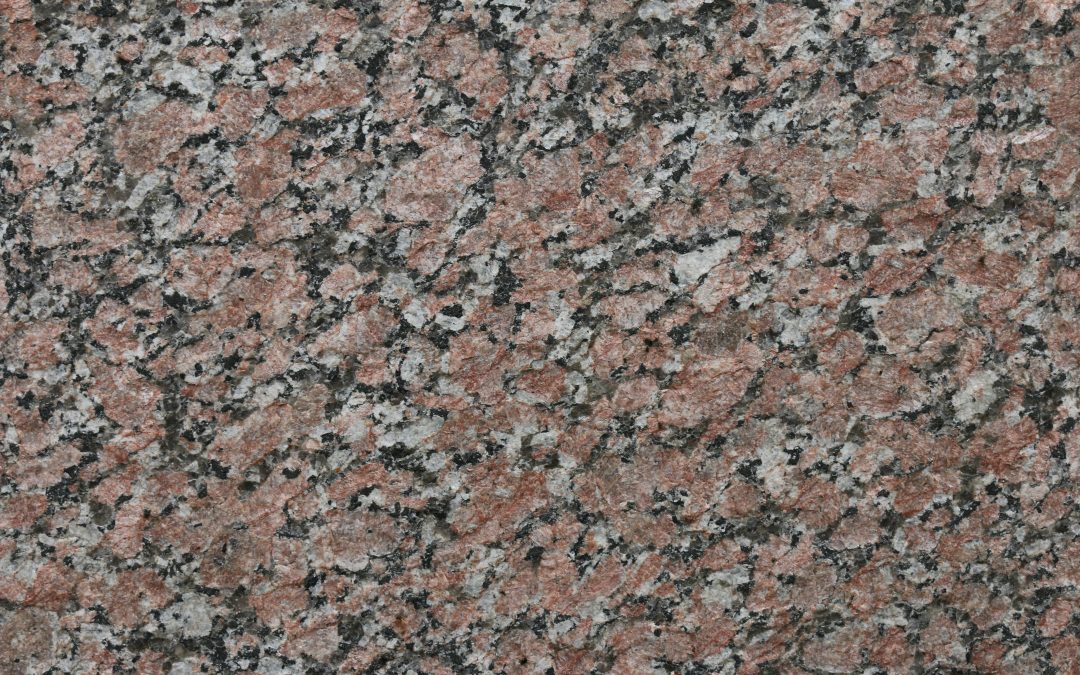
Every slab of granite is different, with its own unique veins, mineral patterns, and color variations. From subtle whites and grays to dramatic blacks, blues, and golds, granite can complement any kitchen style — rustic, modern, or classic.
3. Stain and Scratch Resistance
When properly sealed, granite repels moisture and prevents stains from oils, juices, and sauces. It’s also resistant to most scratches and everyday abrasions, which makes it ideal for busy kitchens.
4. Adds Value to Your Home
Installing heat resistant granite countertops is considered a long-term investment. Homebuyers often see granite as a sign of quality and luxury, which can boost your property’s resale value.
5. Low Maintenance
With proper sealing once a year, granite countertops are easy to maintain. Routine cleaning with mild soap and water keeps them looking polished and spotless.
How to Protect and Maintain Granite Countertops
Even though granite is extremely heat resistant and durable, regular care keeps it looking beautiful for years.
Use Sealant Regularly
Granite is naturally porous, so sealing helps prevent liquids and oils from penetrating the surface. A high-quality sealant creates a protective barrier that enhances the stone’s resistance to stains, bacteria, and moisture.
To test if your countertop needs resealing, pour a few drops of water on the surface. If it absorbs quickly or darkens the area, it’s time to reapply sealant.
Clean with Gentle Products
Avoid harsh or acidic cleaners such as vinegar, lemon juice, or ammonia — these can degrade the sealant. Instead, use a pH-balanced stone cleaner or a simple mix of warm water and mild dish soap.
Avoid Sudden Thermal Shocks
While granite can easily handle hot pots, try to avoid placing extremely hot cookware directly from the oven onto the countertop, especially in the same spot repeatedly. Use trivets, mats, or wooden boards for extra caution.
Wipe Spills Quickly
Although granite is resistant to stains, substances like wine, coffee, and oil can seep into unsealed areas if left for too long. Quick cleanup keeps your countertop spotless and shiny.
Polish for Extra Shine
Occasional polishing enhances the natural luster of granite and makes cleaning easier. Use a granite-specific polish or consult your installer for product recommendations.
Comparing Granite with Other Countertop Materials
When evaluating heat resistant countertops, granite often gets compared to other popular materials. Here’s how it stacks up:
| Material | Heat Resistance | Maintenance | Durability | Appearance |
|---|---|---|---|---|
| Granite | Excellent – up to 1,200°F | Low | Very High | Unique natural patterns |
| Quartz | Good – but may discolor under high heat | Moderate | High | Consistent colors and styles |
| Marble | Fair – can scorch or etch easily | High | Medium | Elegant but softer |
| Laminate | Poor – burns easily | Low | Low | Affordable but less durable |
| Soapstone | Excellent | Low | High | Smooth, matte finish |
| Solid Surface | Poor – can melt or warp | Moderate | Medium | Seamless appearance |
From this comparison, granite strikes the perfect balance between heat resistance, durability, and aesthetic appeal.
Design Tips for Granite Countertops
When choosing granite for your kitchen, think beyond color. Consider texture, finish, and edge profiles.
- Finish: Polished granite gives a shiny, reflective look, while honed finishes provide a matte, natural feel.
- Edges: Options include beveled, bullnose, or waterfall edges that can change the overall design mood.
- Backsplash Coordination: Match or contrast your granite countertop with your backsplash to enhance visual flow.
Also, pair granite with sturdy cabinetry and warm lighting to highlight its natural depth and sparkle.
Eco-Friendly and Long-Lasting Choice
Granite is a natural, sustainable material that can last for decades with minimal upkeep. Because it’s quarried directly from the Earth and doesn’t require synthetic binders, it’s also more environmentally friendly than engineered materials when sourced responsibly.
Many suppliers now offer eco-conscious granite options, ensuring minimal environmental impact during mining and transportation. Its longevity also means fewer replacements — reducing waste over time.
Common Myths About Granite Countertops
Myth 1: Granite cracks easily under heat.
Fact: Granite is one of the most heat-resistant stones available; it can handle hot cookware better than most materials.
Myth 2: Granite is high maintenance.
Fact: Once sealed, it’s one of the lowest-maintenance countertop surfaces available.
Myth 3: Granite harbors bacteria.
Fact: Properly sealed granite is nonporous and hygienic, making it safe for food prep.
Conclusion
Choosing heat resistant granite countertops means investing in long-term durability, timeless beauty, and peace of mind. They handle hot pans with ease, resist everyday wear, and add a natural elegance that few materials can match.
With proper sealing and care, granite countertops will serve you for decades—remaining as stunning and resilient as the day they were installed. Whether you’re remodeling your kitchen or building a new home, granite is the perfect blend of strength, functionality, and luxury that turns any kitchen into a masterpiece.