
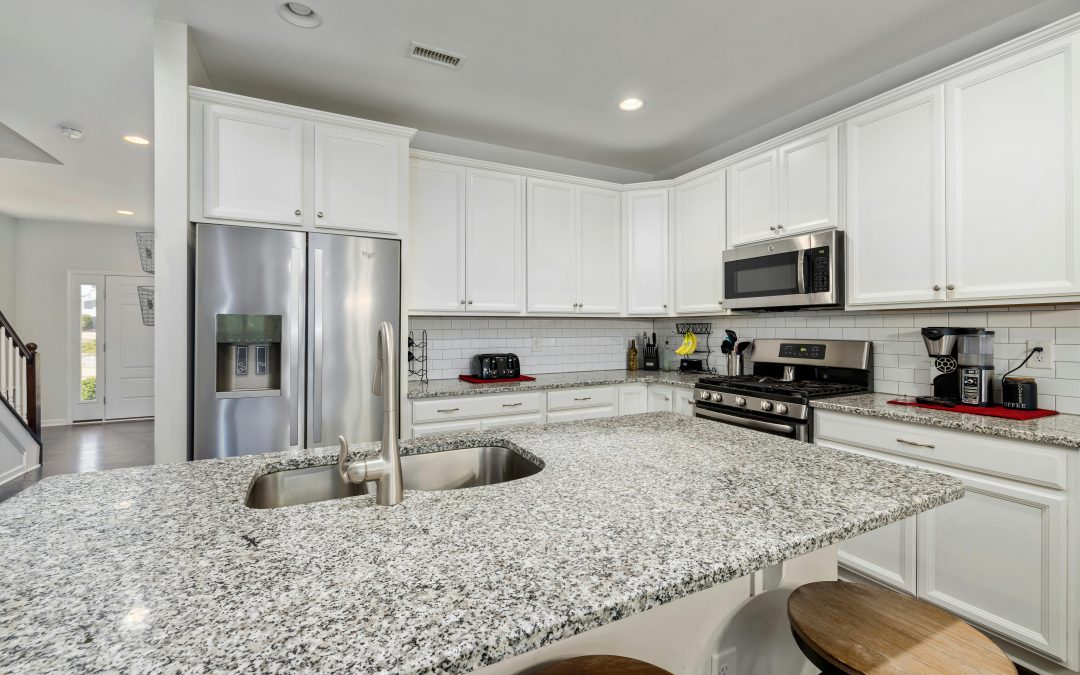
Walk into almost any well designed kitchen and there is a good chance granite catches your eye. It has been a favorite for decades, yet it continues to feel relevant even as design trends change. Granite countertops have a way of balancing beauty and practicality, which is why homeowners keep coming back to them. If you are planning a kitchen upgrade or simply curious about why granite remains so popular, this guide will walk you through what really makes it stand out.
What Makes Granite a Natural Favorite
Granite is a natural stone formed deep within the earth over millions of years. Each slab is unique, which means no two countertops are ever exactly the same. This natural variation is a big part of its appeal. You are not just installing a surface, you are bringing a one of a kind piece of nature into your home.
According to the Marble Institute of America, granite remains one of the most requested natural stone surfaces for residential kitchens because of its durability and long lifespan. Many homeowners see it as a long term investment rather than a short term design choice.
How Granite Countertops Perform in Everyday Life
A kitchen surface needs to handle heat, spills, and constant use. Granite countertops are known for their strength, which makes them well suited for busy households.
Some practical benefits include:
- High resistance to heat from pots and pans
- Strong surface that resists scratches during normal use
- Ability to handle daily cooking and food prep
While granite is tough, it is not indestructible. Using cutting boards and cleaning spills promptly still matters. With basic care, granite can look great for decades.
The Role of Sealing and Maintenance
One common question is about maintenance. Granite is a porous stone, which means it needs sealing to prevent stains. The good news is that modern sealers have made this process much easier.
Most professionals recommend sealing granite countertops once a year, although some dense varieties may need it less often. Regular cleaning is simple and usually involves warm water and mild soap. Avoid harsh chemicals, as they can break down the seal over time.
This level of care is manageable for most homeowners and often feels like a fair trade for the durability granite provides.
Style Options That Fit Many Designs
Granite works with more than just traditional kitchens. Today, you will find it in modern, farmhouse, and even minimalist spaces. Color options range from soft whites and grays to dramatic blacks with bold veining.
Popular design choices include:
- Light granite to brighten smaller kitchens
- Dark granite for contrast with white cabinets
- Subtle patterns for a calm, uniform look
Because granite is natural, it pairs well with wood, metal, and tile. This versatility makes it easier to update other elements of your kitchen without needing to replace the countertops later.
Granite Versus Other Countertop Materials
Homeowners often compare granite to quartz, marble, or laminate. Each material has strengths, but granite holds its own in several key areas.
Granite offers natural beauty that engineered surfaces cannot fully replicate. Compared to marble, it is less prone to etching and staining. Compared to laminate, it provides a more solid and premium feel.
Consumer Reports has noted that natural stone countertops like granite perform well in durability tests, especially when properly sealed and maintained. This balance of performance and appearance keeps granite competitive even as new materials enter the market.
Cost Considerations and Long Term Value
The price of granite countertops can vary depending on color, thickness, and availability. Exotic slabs tend to cost more, while common varieties are more budget friendly.
While granite may not be the cheapest option upfront, it often adds value to a home. Many real estate professionals agree that kitchens with stone countertops are more attractive to buyers. This can be helpful if you plan to sell in the future.
When thinking about cost, it helps to consider lifespan. A surface that lasts decades without needing replacement can be more economical over time.
Installation and What to Expect
Installing granite is not a DIY project for most people. Slabs are heavy and require precise cutting and fitting. Professional installation ensures proper support, alignment, and sealing.
The process usually includes measuring, fabrication, and installation. Once installed, you will need to wait a short time before using the surface to allow sealers to cure properly.
Although it takes planning, the end result is a custom fit surface that feels solid and permanent.
Common Myths About Granite Countertops
Some myths still circulate about granite. One is that it requires constant upkeep. In reality, maintenance is minimal compared to many other surfaces.
Another myth is that granite looks outdated. Design trends have shifted, but granite has adapted with lighter colors, honed finishes, and simpler patterns that feel current and fresh.
Understanding these misconceptions helps homeowners make more confident decisions.
Is Granite the Right Choice for You
Choosing a countertop is personal. Granite countertops are ideal for homeowners who value natural beauty, durability, and long term performance. If you enjoy cooking, hosting, or simply want a surface that can handle daily life without much worry, granite is worth considering.
Visiting a stone yard and viewing slabs in person can help you find a color and pattern that fits your vision. Seeing the stone up close often makes the decision easier.
Final Takeaway for Homeowners
Granite countertops have stood the test of time for good reason. They offer a rare combination of strength, beauty, and individuality that works well in many kitchens. With reasonable care and thoughtful selection, granite can remain a centerpiece of your home for years to come.
If you are looking for a surface that feels both practical and special, granite continues to be a reliable and rewarding choice.