
Quartz countertops are popular in kitchens and bathrooms for their durability, sleek appearance, and low maintenance. But one common question homeowners ask is, are quartz countertops heat resistant? Understanding how quartz reacts to heat is important to protect your investment and keep your surfaces looking pristine.
What Are Quartz Countertops Made Of?
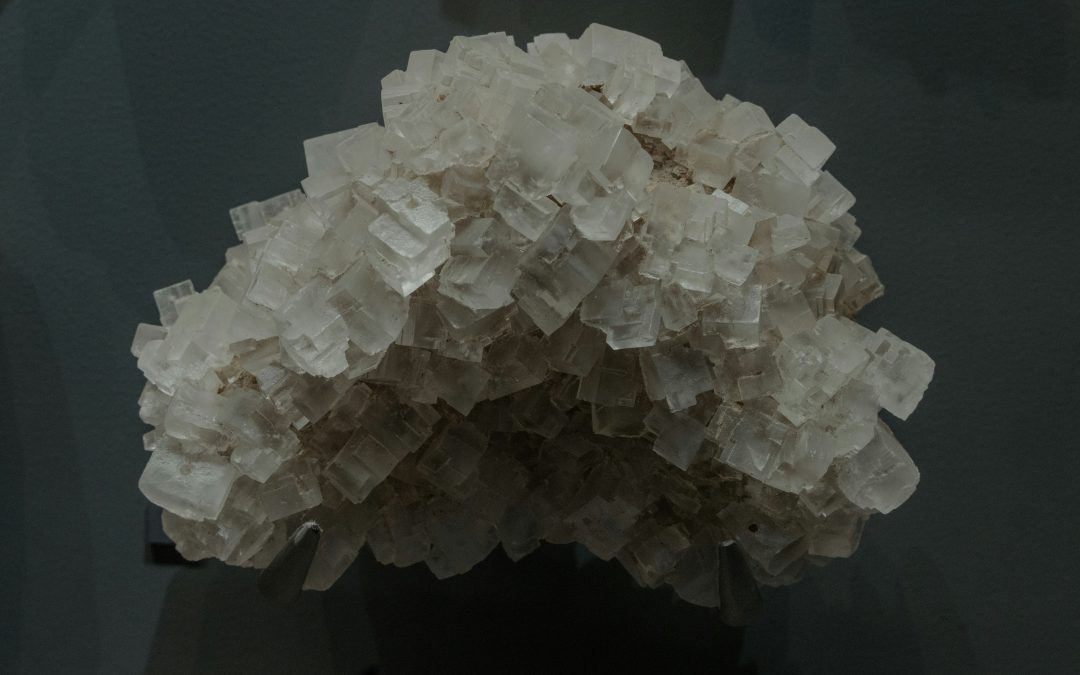
Quartz countertops are engineered surfaces made from a combination of natural quartz crystals (about 90–95%) and resins, pigments, and binding materials. This combination makes quartz extremely strong, non-porous, and resistant to stains and scratches. However, the presence of resin is key when considering heat resistance.
Unlike natural stone, such as granite or marble, quartz contains synthetic resins, which can be affected by high temperatures. While quartz is durable, it does have limits when exposed to heat.
Heat Resistance of Quartz Countertops
Quartz countertops are moderately heat resistant, but they are not heatproof. Here’s what you need to know:
- Moderate heat: Quartz can withstand everyday kitchen activities like placing warm pots or dishes for a short time without damage.
- High heat: Direct contact with hot pans, pots, or appliances at extreme temperatures can damage the resin, leading to discoloration, burns, or cracking.
- Thermal shock: Sudden temperature changes, like placing a hot pan on a cold quartz surface, can cause stress and potential cracking over time.
In short, quartz is heat resistant to a degree, but it’s best to avoid direct contact with high heat.
How to Protect Quartz Countertops from Heat
To keep your quartz countertops safe and looking new, consider these protective measures:
1. Use Trivets or Hot Pads
Always place hot pots, pans, or baking trays on trivets or heat-resistant mats. This simple step prevents direct heat from affecting the quartz surface.
2. Avoid Direct Contact with Appliances
Items like toaster ovens, slow cookers, or curling irons can generate intense heat. Ensure they are placed on a heat-resistant surface or use protective pads underneath.
3. Be Careful with Oven Mitts and Pans
Even if you remove cookware quickly, repeated exposure to high heat can gradually damage the resin. Always handle hot items with care and avoid prolonged contact.
4. Monitor Temperature Changes
Avoid placing hot items on cold quartz immediately, as rapid temperature changes can stress the material. Allow cookware to cool slightly before placing it on the countertop, or let the countertop reach room temperature if it was exposed to cold.
5. Wipe Spills Quickly
Spills from hot oils, sauces, or sugary substances can sometimes leave marks if they sit on heated quartz. Wipe immediately to prevent stains or surface damage.
Signs Heat Damage on Quartz Countertops
Even with precautions, heat damage can occur if quartz is exposed to extreme temperatures. Common signs include:
- Discoloration: Areas may appear dull or slightly burnt.
- Cracking or chipping: Thermal shock or direct contact with very hot items can cause structural damage.
- Surface warping: Prolonged heat can affect the resin and create uneven areas.
If you notice these signs, it’s best to consult a professional for repair options or preventative advice.
Comparison with Other Countertop Materials
Understanding quartz’s heat resistance is easier when compared to other materials:
| Material | Heat Resistance | Notes |
|---|---|---|
| Quartz | Moderate | Avoid direct high heat contact |
| Granite | High | Can handle hot pots but still use trivets |
| Marble | Moderate | Susceptible to stains and etching |
| Laminate | Low | Easily damaged by hot items |
| Solid Surface | Moderate | Can warp under high heat |
Quartz offers a great balance of durability and low maintenance, but it is slightly less heat-resistant than natural stone like granite.
Benefits of Quartz Despite Heat Limitations
Even though quartz has heat limitations, it remains a favorite choice for homeowners because:
- Non-porous surface resists stains and bacteria
- Durable against scratches and everyday wear
- Available in a wide range of colors and patterns
- Low maintenance compared to natural stone
With proper precautions, quartz countertops can remain beautiful and functional for many years.
Conclusion
So, are quartz countertops heat resistant? Yes, they can handle moderate heat, but they are not heatproof. Direct contact with hot cookware or appliances can damage the resin, causing discoloration, warping, or cracking. By using trivets, avoiding thermal shock, and handling hot items carefully, you can enjoy the beauty and durability of quartz countertops without worry.
Quartz remains a practical, stylish, and hygienic choice for kitchens and bathrooms. With mindful use and basic precautions, your countertops will continue to enhance your space while maintaining their sleek, polished look for years to come.