
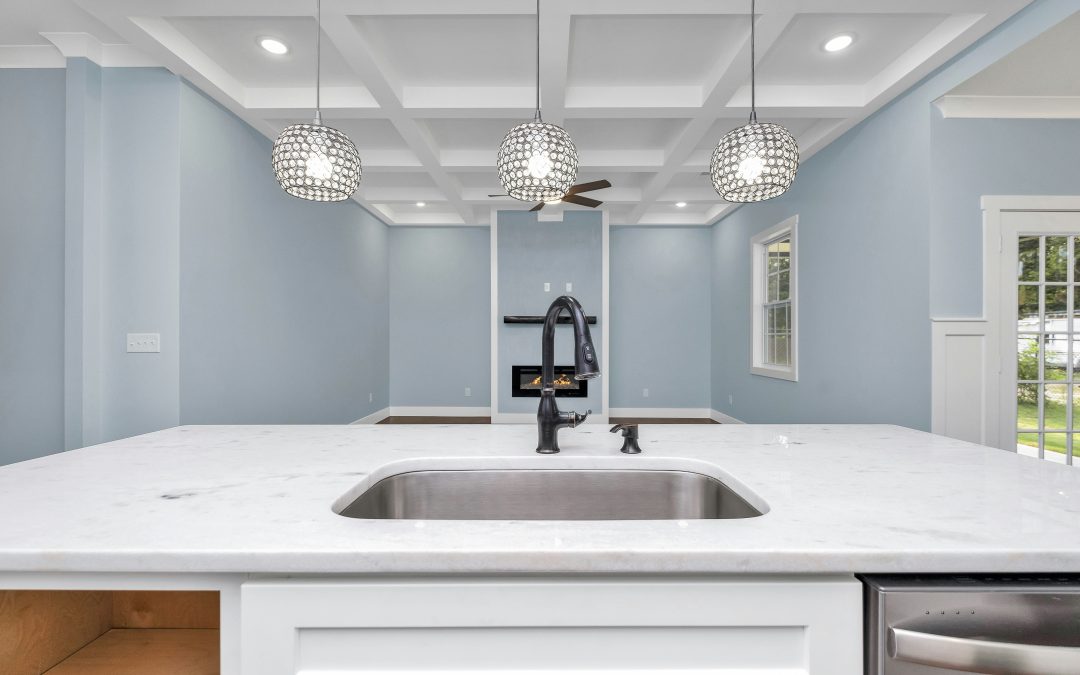
Epoxy countertops are popular for their sleek look, durability, and endless design options. But if you’re planning to cook or place hot pans directly on them, you might wonder: are epoxy countertops heat resistant? Understanding the limitations of epoxy when it comes to heat is essential for keeping your surfaces looking pristine.
Understanding Epoxy Countertops
Epoxy countertops are made by pouring a two-part resin mixture over a base surface. The material hardens into a smooth, glossy finish that is resistant to scratches, stains, and water. Their glossy, glass-like appearance makes them a favorite for kitchens, bars, and creative DIY projects.
However, despite their strength, epoxy countertops have limits when exposed to high heat. Knowing these limits helps prevent damage and prolongs the life of your surface.
Heat Resistance of Epoxy
Epoxy resin is moderately heat resistant, but it is not completely impervious to hot temperatures.
- Safe temperature range: Most epoxy countertops can tolerate temperatures up to 300°F (149°C) for short periods.
- Risk of damage: Placing hot pans, pots, or baking trays directly from the oven or stovetop can cause discoloration, warping, or even cracking.
- Softening point: Prolonged exposure to high heat softens the resin, leading to permanent damage.
While epoxy is durable, it is not the same as granite, quartz, or stainless steel when it comes to heat tolerance.
How to Protect Epoxy Countertops from Heat
Protecting your epoxy countertops is essential for maintaining their beauty and functionality. Here are some practical tips:
- Use trivets or hot pads: Always place hot pans or dishes on a protective surface instead of directly on the countertop.
- Avoid direct oven trays: Do not place baking sheets or cookware straight from the oven onto epoxy surfaces.
- Use cutting boards: Even though epoxy is scratch-resistant, using a cutting board also protects it from heat generated during food prep.
- Control exposure time: Brief exposure to moderate heat is less damaging, but prolonged contact should be avoided.
Taking these precautions helps ensure your epoxy countertops remain glossy and smooth for years.
Common Heat-Related Issues
Even with precautions, some heat-related issues may occur if epoxy is exposed improperly:
- Discoloration: Hot objects can leave white or cloudy marks on the surface.
- Warping or bubbling: Extreme heat may cause the epoxy to lift or bubble.
- Cracks: Sudden temperature changes or prolonged heat exposure can lead to hairline cracks.
Understanding these risks helps you use your countertop more effectively and avoid costly repairs.
Comparison With Other Countertop Materials
When considering heat resistance, epoxy differs from other popular countertop materials:
- Granite: Can withstand very high heat and often allows direct contact with hot pans.
- Quartz: Heat-resistant but can discolor or crack under extreme temperatures.
- Laminate: Sensitive to heat and can easily scorch.
- Stainless Steel: Highly heat-resistant and ideal for kitchen surfaces.
Compared to these materials, epoxy is visually stunning but requires extra care around heat sources.
Maintenance Tips for Longevity
Maintaining epoxy countertops extends their life and keeps them looking new:
- Clean with mild soap and water: Avoid harsh chemicals that can damage the surface.
- Avoid abrasive pads: Use soft cloths or sponges to prevent scratches.
- Seal periodically: Some epoxy countertops benefit from resealing to maintain shine and resistance.
- Protect from direct sunlight: UV rays can yellow epoxy over time, so consider window treatments for sunny kitchens.
Proper maintenance reduces the risk of heat damage and preserves the countertop’s aesthetic appeal.
Final Takeaway
So, are epoxy countertops heat resistant? The answer is yes, to an extent. They can handle moderate heat, but direct contact with hot pans or prolonged exposure to high temperatures can cause damage. Using trivets, hot pads, and cutting boards is essential to protect your investment.
Epoxy countertops are a beautiful and durable choice for kitchens, bars, and creative spaces. With proper care and heat protection, you can enjoy their glossy, unique look while avoiding common heat-related problems. Remember, even the most resilient epoxy benefits from thoughtful usage to maintain its appearance and functionality over time.